Introduction to Queue Detection Software
In an era dominated by instantaneous service expectations, businesses are continuously searching for ways to improve operational efficiency and enhance customer satisfaction. This is where queue detection software comes into play. By utilizing advanced algorithms and technology, queue detection software helps businesses monitor and manage customer flow, optimizing the user experience while minimizing wait times.
Understanding Queue Dynamics
Queues are an omnipresent reality in various industries, from retail to transportation. They are defined as lines of customers waiting for service, and understanding their dynamics is critical. Queue lengths fluctuate based on customer behavior, service speed, and time of day. Effective queue management requires analyzing these factors to predict and mitigate congestion. Properly understanding queue dynamics enables businesses to allocate resources more effectively and enhance customer interaction, leading to improved brand loyalty.
The Importance of Real-Time Data
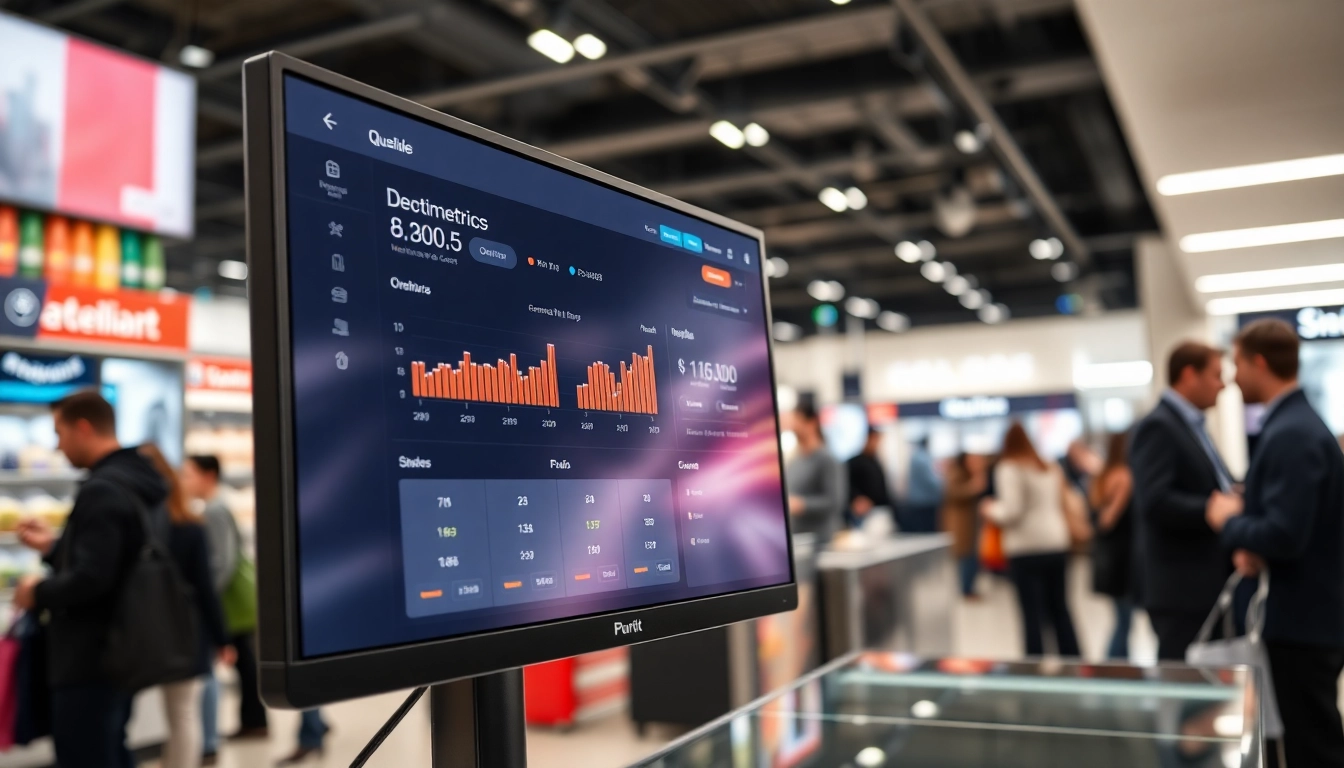
Real-time data is the backbone of any effective queue detection system. It allows for immediate visibility into customer flow patterns, enabling quick responses to surges in demand. For instance, if analytics reveal a sudden influx of customers, businesses can adjust staffing levels accordingly. Furthermore, real-time data facilitates proactive measures, such as notifying customers of expected wait times, thereby reducing frustration and enhancing the overall service experience.
Key Features of a Reliable Solution
A robust queue detection software solution should encompass a range of features that cater to the unique needs of various industries:
- Automated Monitoring: Continuous tracking of queue lengths and wait times.
- Integration Capabilities: Seamless integration with existing CRM and operational systems.
- Data Analytics: In-depth reporting tools to analyze queue performance metrics.
- Scalability: Solutions that grow with the business, accommodating an increase in traffic.
- User-Friendly Interface: An intuitive dashboard that allows for easy navigation and usage by staff.
How Queue Detection Software Works
Basic Working Mechanisms
At its core, queue detection software employs various sensors and technology to monitor customer lines in real-time. These systems utilize cameras, infrared sensors, and other detection methods to capture data about customer wait times and queue lengths. The software processes this data to provide insights that can be acted upon immediately, informing staff of potential congestion points and enabling them to take corrective action proactively.
Technology Behind Queue Detection
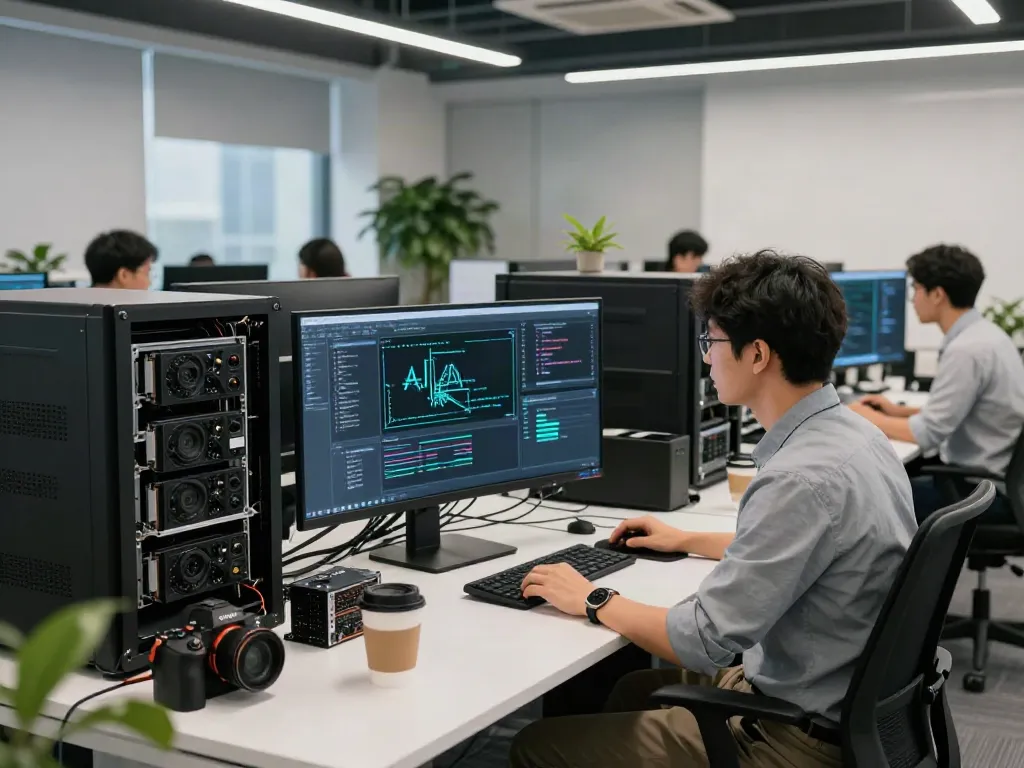
The underlying technology of queue detection software is continually advancing. Many solutions now leverage artificial intelligence (AI) and machine learning algorithms to improve accuracy over time. For instance, AI can analyze historical data to predict when busy periods will occur, helping businesses prepare accordingly. Additionally, sophisticated image processing techniques allow for better detection of customer movements and queue dynamics without human oversight, further streamlining processes.
Real-World Applications and Case Studies
Numerous industries have successfully implemented queue detection software. In retail, stores can adapt to customer traffic patterns, optimizing checkout lanes during peak times. Similarly, airports utilize this technology to monitor check-in queues and boarding processes, enhancing passenger flow and reducing delays. Each case illustrates the tangible benefits of applying queue detection software, leading to improved customer satisfaction and operational efficiencies.
Benefits of Implementing Queue Detection Software
Improved Customer Experience
One of the most significant advantages of implementing queue detection software is the enhancement of the customer experience. By accurately predicting wait times and optimizing resource allocation, businesses can minimize customer frustration. Happy customers are more likely to return, thereby increasing brand loyalty and sales.
Operational Efficiency for Businesses
Queue detection systems allow businesses to run more efficiently. With better data on customer flow and wait times, they can optimize staffing levels, reducing unnecessary labor costs. Automating queue management minimizes manual oversight, allowing personnel to focus on other essential tasks within the operation.
Data-Driven Decision Making
By utilizing the comprehensive insights that queue detection software provides, businesses can make informed decisions grounded in data. Whether identifying peak times for staff allocation or understanding purchasing behavior during busy periods, actionable information enables organizations to enhance their services and products continuously.
Challenges in Queue Detection Implementation
Technical Barriers and Solutions
Introducing new technology can present technical challenges, particularly concerning infrastructure compatibility and the training of personnel. Businesses may need to invest in additional hardware or software integrations, which can increase initial costs. To counteract these barriers, conducting thorough research and seeking solutions that are designed to integrate seamlessly with existing systems can be beneficial. Outsourcing to professional installation teams can also ease transition challenges.
Overcoming Resistance to Change
Resistance to new technology can occur due to fear of the unknown or skepticism about reliability. It's crucial to foster an environment where employees can voice concerns and receive training on the benefits of queue detection software. Demonstrating quick wins and showcasing success stories within the organization can also help alleviate concerns and encourage adoption.
Integrating with Existing Systems
For queue detection software to be most effective, it must seamlessly integrate with a business's existing systems. This includes point-of-sale systems, customer relationship management software, and analytics platforms. Choosing a solution that offers strong integration capabilities can significantly streamline this process and enhance overall functionality.
Future Trends in Queue Detection Software
Emerging Technologies and Innovations
The future of queue detection is poised to incorporate even more advanced technologies, including biometric data analysis and Internet of Things (IoT) integration. Biometric sensors can provide insights into customer behavior while IoT can facilitate real-time data sharing across platforms, leading to improved operational responsiveness.
Predictions for Market Growth
As consumer expectations continue to evolve and the demand for speed and efficiency increases, the market for queue detection software is expected to see significant growth. Continued innovation and adaptation will ensure that solutions remain relevant, with businesses increasingly reliant on these systems to maintain competitiveness.
Preparing for Future Consumer Expectations
The crescendo of consumer demand for faster, more efficient service necessitates that businesses prepare for future expectations. This involves staying ahead of technological trends, regularly reviewing service processes, and being ready to implement enhancements that make the customer experience as seamless as possible.
Frequently Asked Questions (FAQs)
1. What are the common types of queue detection technologies?
Common queue detection technologies include video analytics, infrared sensors, and mobile tracking apps. These technologies gather real-time data to monitor queue lengths and wait times, allowing better management of customer flow.
2. How can queue detection software improve customer experience?
By providing real-time insights into wait times and optimizing staffing, queue detection software can reduce customer frustration, enhance service speed, and improve overall satisfaction, leading to a better brand image.
3. Can queue detection software integrate with existing systems?
Yes, many queue detection software solutions are designed to integrate seamlessly with existing customer relationship management and point-of-sale systems, enhancing their functionality without requiring extensive modifications.
4. What industries benefit most from queue detection software?
Industries such as retail, airports, hospitals, and entertainment venues derive significant benefits from queue detection software, as it helps them manage high customer volumes and improve service delivery.
5. What challenges are faced in implementing queue detection solutions?
Challenges include technical barriers, resistance to change from employees, and the need for integration with existing systems. Addressing these challenges through training and careful planning is essential for successful implementation.