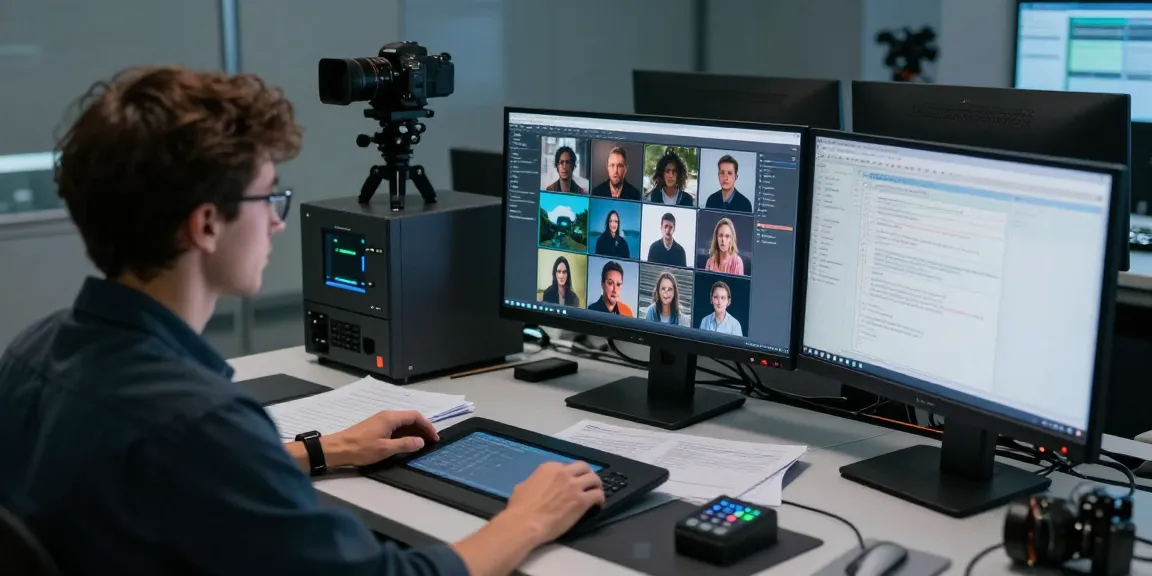
Understanding Deepfake Technology
As digital communication continues to evolve, so too does the sophistication of cyber threats. One of the most concerning developments in this space is the rise of deepfake technology. Deepfakes leverage artificial intelligence to create realistic digital manipulations of audio and video, leading to significant security implications, particularly in professional settings like virtual meetings. Understanding the mechanics of deepfakes and their potential impact is crucial for businesses aiming to safeguard their communications. For those interested in how to navigate these complex challenges, Deepfake-protected meetings are an emerging solution that organizations must explore.
What are Deepfakes?
Deepfakes are synthetic media in which a person's likeness is replaced with someone else's in a way that is highly convincing. This technology uses advanced machine learning techniques, including Generative Adversarial Networks (GANs), to create videos and audio that can mimic the speech patterns and facial expressions of real individuals. The result? A digital impersonation that can be virtually indistinguishable from the real thing. This raises questions about authenticity and trust, particularly in contexts like video conferencing, where visual cues are essential for communication.
How Deepfakes Impact Virtual Meetings
The implications of deepfake technology extend into the realm of online meetings, where the risk of impersonation becomes a pressing concern. Hackers and malicious actors can use deepfakes to insert fake participants into meetings, manipulate conversations, or launch social engineering attacks. For example, a deepfake could convincingly replicate the CEO's voice during a crucial board meeting, leading to unauthorized decisions based on false information. This risk underscores the need for businesses to adopt rigorous security measures to protect themselves against such threats.
Identifying Deepfake Risks in Online Communication
Identifying the presence of deepfakes in communications can be challenging. Key indicators may include inconsistencies in facial movement, unnatural speech patterns, and audio-visual synchronization issues. However, the technology is evolving rapidly, and the line between real and synthetic media continues to blur, making it increasingly vital for organizations to be proactive in their security approach. Implementing robust verification processes can help mitigate risks and ensure that communication remains secure.
Security Measures for Deepfake-Protected Meetings
Authentication Techniques
One of the most effective ways to combat the risks posed by deepfakes is through stringent authentication techniques. Utilizing multi-factor authentication (MFA) can add an extra layer of security, requiring users to provide multiple forms of identification before accessing a meeting. This could involve a combination of passwords, biometrics, or one-time codes sent to mobile devices. Such measures make it more challenging for unauthorized users to infiltrate meetings, protecting sensitive discussions from potential threats.
Using Encrypted Platforms
In addition to robust authentication methods, organizations should prioritize using encrypted communication platforms. End-to-end encryption ensures that data transmitted during meetings is secure and cannot be intercepted by third parties. Many popular conferencing tools now offer encryption options, but it's essential to verify their implementation and stay updated on best practices for maintaining digital security.
Implementing PIN and Password Protections
Another fundamental measure to enhance security during virtual meetings is the implementation of unique meeting identifiers and password protections. This practice not only limits access to authorized participants but also helps to ensure that meetings are not easily discoverable by attackers. Password-protected meetings can deter casual unauthorized access, while unique identifiers can prevent unwanted guests from lurking in sensitive discussions.
Best Practices for Conducting Safe Virtual Meetings
Ensuring Participant Verification
Establish clear protocols for participant verification before beginning any meeting. This could include visual identification, verifying email addresses, or using a pre-meeting checklist to confirm attendees. Such practices ensure that only identified individuals can participate, reducing the risk of deepfake impersonation.
Strategies for Engaging Discussions
To foster a secure virtual environment, create engagement strategies that emphasize active participation. Encourage participants to share their thoughts verbally rather than solely relying on chat functions, as voice interaction allows for better verification of identity. Additionally, utilizing video can help reveal potential inconsistencies that might indicate the use of deepfake technology.
Educating Teams on Digital Security
Investing in training programs to educate teams about digital security is critical. Regular workshops on identifying deepfake technology, understanding phishing attacks, and practicing safe online behavior can equip employees with the knowledge they need to navigate the evolving digital landscape confidently.
Evaluating Deepfake Detection Technologies
Current State of Deepfake Detection
As organizations recognize the growing threat posed by deepfakes, the market for detection technologies has rapidly developed. Some solutions leverage machine learning algorithms specifically designed to analyze video and audio content for signs of manipulation. Interestingly, these systems are evolving to improve their precision and are becoming vital tools for organizations that conduct frequent virtual meetings.
Leading Tools and Software in 2026
In 2026, several leading technologies focus on deepfake detection in real-time video conferencing. Tools like DeepTrace and Sensity AI are at the forefront of this innovation, utilizing advanced algorithms to flag suspicious media and ensure the integrity of online communications. As these tools become more accessible, organizations should incorporate them into their meeting protocols to safeguard against deepfake threats.
Case Studies of Effective Detection
Examining case studies of organizations successfully implementing deepfake detection technologies can provide valuable insights. For example, a financial institution that adopted AI-powered detection tools during a crucial merger negotiation was able to avert a deepfake attack that could have jeopardized the deal. Such scenarios illustrate the importance of proactive measures and the potential cost of negligence in the face of digital threats.
Future Trends in Meeting Security
Emerging Technologies in Deepfake Protection
As deepfake technology continues to evolve, emerging solutions focused on proactive protection are likely to gain traction. This includes the development of AI-driven platforms that can authenticate participants based on behavioral biometrics, analyzing patterns of speech and movement to detect anomalies. Such technologies promise to enhance security in virtual meeting spaces significantly.
Regulatory Considerations and Legal Frameworks
In light of the rising prevalence of deepfakes, regulatory bodies may introduce new frameworks to address the legal implications surrounding their use. Companies must stay informed about the legislative landscape and adapt their policies accordingly to ensure compliance and protect their interests.
Preparing for the Next Wave of Digital Threats
Organizations must adopt a proactive mindset to prepare for future digital threats. Establishing a culture of security, investing in cutting-edge technologies, and staying informed about emerging vulnerabilities are essential components of a comprehensive strategy to safeguard virtual interactions.
Are deepfakes actually illegal?
The legality of deepfakes varies by jurisdiction. Some states have introduced laws targeting malicious uses of deepfake technology, particularly in relation to harassment, defamation, and fraud. However, the legal landscape continues to evolve, so it is crucial for organizations to remain aware of local regulations and adapt their practices accordingly.
What does deepfake protection mean?
Deepfake protection refers to the measures and technologies implemented to detect, deter, and defend against the misuse of deepfake technology. This includes both technical solutions, such as detection software, and procedural strategies, such as establishing secure meeting protocols.
What states allow deepfakes?
While there are no states that explicitly "allow" deepfakes, various jurisdictions are grappling with the implications of this technology. Some states have enacted specific legislation to control and restrict its use, particularly in contexts like elections and personal privacy.
What is the 3 finger test for AI?
The “3 finger test” refers to a simple method for evaluating the authenticity of videos by identifying discrepancies in three key areas: facial movements, audio synchronization, and lighting consistency. This quick assessment can help average users identify potential deepfakes in informal settings, although relying on such methods for critical decisions is not advisable.