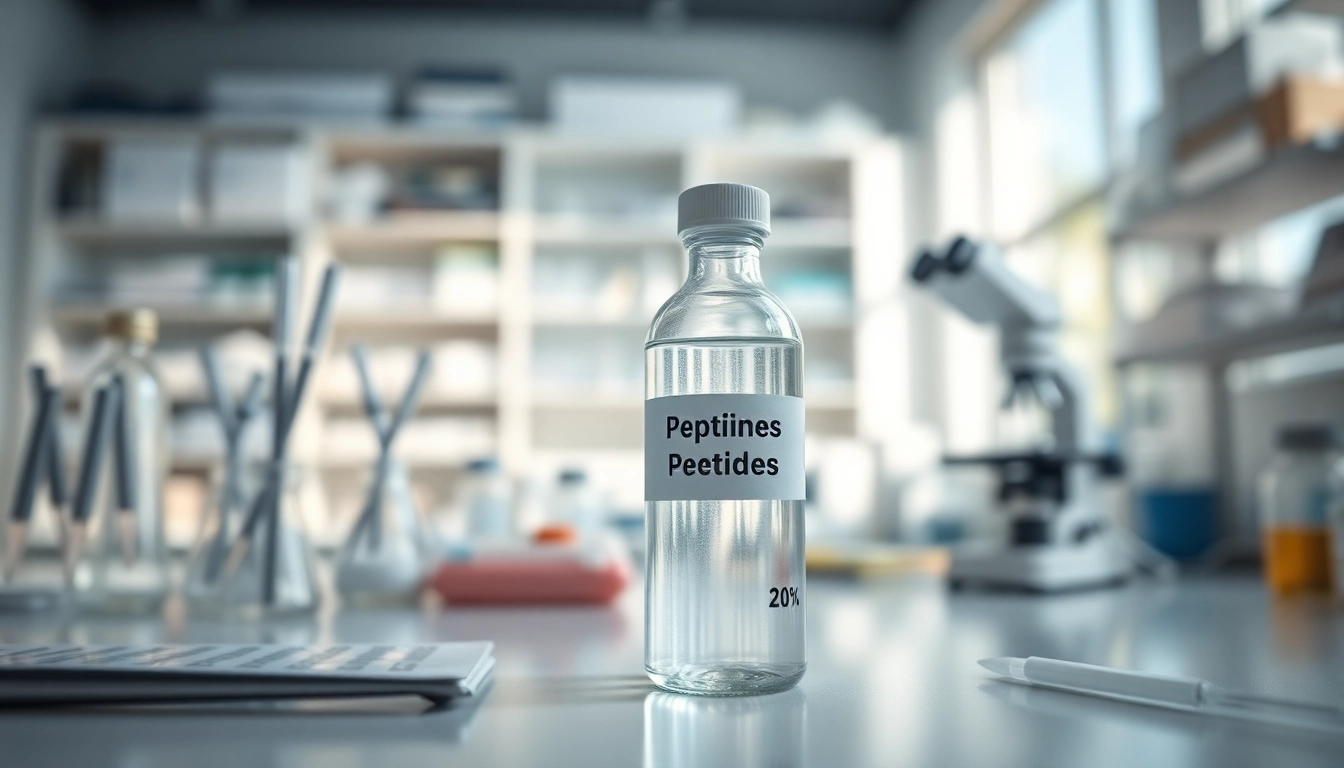
Introduction to Peptides
What are Peptides?
Peptides are short chains of amino acids linked by peptide bonds. They are fundamental biological molecules that serve various functions within the body, from signaling and immune responses to hormonal activity. Structurally, peptides can range in size from just two amino acids to several dozens, and their specific sequences determine their unique roles in biological processes. In research and medicine, peptides have gained traction as therapeutic agents, often designed to closely mimic the body's natural peptide hormones and signaling molecules.
Importance in Biological Systems
Peptides are crucial for numerous physiological functions. They act as hormones, neurotransmitters, and growth factors, influencing a vast array of bodily functions such as metabolism, growth, and immune response. For instance, insulin is a well-known peptide hormone that regulates glucose metabolism, while endorphins, peptides produced by the brain, play a pivotal role in pain regulation and emotions. Moreover, peptides can interact with specific receptors on cell membranes, triggering significant cellular responses, thus serving as information carriers in biochemical pathways.
Applications in Medicine and Research
The versatile nature of peptides makes them invaluable in various medical and research applications. In the pharmaceutical sector, peptide drugs are used for treating conditions such as diabetes, cancer, and cardiovascular diseases. Additionally, research involving peptides extends to vaccine development, where they are utilized to elicit immune responses against pathogens. As advancements in peptide synthesis and design progress, the potential applications will likely expand, paving the way for innovative therapeutic modalities.
Understanding Bacteriostatic Water
Composition and Properties
Bacteriostatic water consists of sterile water containing a small percentage of benzyl alcohol (typically 0.9% w/v), which acts as a preservative to inhibit bacterial growth. This property is critical when preparing solutions that may remain unutilized for extended periods. Bacteriostatic water is utilized in various applications, particularly in the reconstitution of medications such as peptides, ensuring that the solutions remain sterile and safe for use over time. The water must be handled appropriately to maintain its bacteriostatic properties and ensure patient safety.
Storage and Handling Guidelines
To maintain the integrity of bacteriostatic water, proper storage and handling practices are essential. It should be stored in a cool, dry place, away from direct sunlight and extreme temperatures. Once opened, it’s advisable to keep the cap tightly sealed to prevent contamination. Additionally, regular checks should be made to ensure that the bacteriostatic water is within its expiration date to guarantee safety and efficacy when used in peptide preparation.
Difference from Sterile Water
While both bacteriostatic water and sterile water are used for medicinal purposes, their primary difference lies in the presence of benzyl alcohol. Sterile water is completely free of any preservatives and is typically utilized for immediate use where sterility is paramount. Conversely, bacteriostatic water’s main advantage is its ability to inhibit bacterial growth, allowing multiple uses over time without compromising safety, especially in the context of peptide solutions that require reconstitution.
Preparing Peptide Solutions
Choosing the Right Bacteriostatic Water
Choosing the appropriate bac water for peptides is crucial when preparing peptide solutions. It is essential to select high-quality bacteriostatic water from reputable sources to ensure purity and efficacy. This will minimize the potential for contamination and ensure the stability of the peptide solution. Various manufacturers may offer different grades of bacteriostatic water, so it is vital to adhere to stringent quality standards during selection.
Steps for Proper Preparation
To ensure effective preparation of peptide solutions, follow these steps:
- Gather Materials: You will need bacteriostatic water, the peptide, a sterile syringe, and a sterile vial.
- Aseptic Technique: Always practice aseptic techniques. Wash hands thoroughly, wear gloves, and disinfect surfaces to avoid contamination.
- Reconstitution: Insert the sterile syringe into the vial of peptides and draw the required amount of bacteriostatic water.
- Mixing: Slowly inject the bacteriostatic water into the peptide vial, taking care not to create bubbles. Gently swirl the vial to mix.
- Storage: Once mixed, store the solution according to recommended guidelines to maintain potency and efficacy.
Common Mistakes to Avoid
While preparing peptide solutions, several common mistakes can jeopardize the outcome:
- Improper sterile handling can introduce contaminants.
- Using incorrect storage conditions can degrade the peptide.
- Inadequately mixing the solution can lead to uneven dosages.
- Ignoring expiration dates may pose health risks.
Ensuring awareness of these pitfalls can significantly improve the preparation process and the effectiveness of peptide solutions.
Best Practices for Peptide Storage
Maintaining Efficacy and Potency
To maintain the efficacy and potency of peptide solutions, adhering to storage best practices is critical. Peptides should be stored in a refrigerator at temperatures between 2°C–8°C. Avoiding freeze-thaw cycles is crucial, as these can lead to denaturation and loss of activity. Additionally, it is advisable to store peptides in the dark or in opaque containers to prevent light degradation, which can adversely affect their structural integrity.
Temperature and Light Considerations
Temperature control plays a vital role in peptide stability. Fluctuations in temperature can lead to the breakdown of peptides, reducing their effectiveness. Keeping peptides in an insulated environment away from direct light sources enhances their longevity. Regular monitoring of the storage conditions is essential, ensuring that any deviations are promptly addressed to maintain optimal conditions.
Expiration and Shelf Life Monitoring
Monitoring the expiration date and shelf life of peptides is vital for safety and effectiveness. It is essential to label vials with preparation dates and expiration dates to avoid using expired products. Utilizing a systematic method for inventory management ensures peptides are used before their expiration, minimizing wastage and potential health risks associated with using degraded materials.
FAQs about Bacteriostatic Water and Peptides
What is the purpose of bacteriostatic water?
Bacteriostatic water is used to dissolve or dilute medications, especially those that require reconstitution, preventing bacterial growth for safe, multi-use applications.
Can I use regular water instead?
No, regular water lacks the preservative properties of bacteriostatic water, which may pose contamination risks and affect medication efficacy.
How do I ensure sterility during preparation?
Practice aseptic techniques by disinfecting surfaces, using sterile equipment, and maintaining a clean working environment throughout the preparation process.
Are there alternatives to bacteriostatic water?
Alternatives include sterile water, but it does not offer the same antibacterial properties, making it less suitable for multi-use scenarios.
What are the risks of improper usage?
Improper usage can lead to contamination, reduced potency of the peptide, adverse reactions, and potential health risks, including infection.