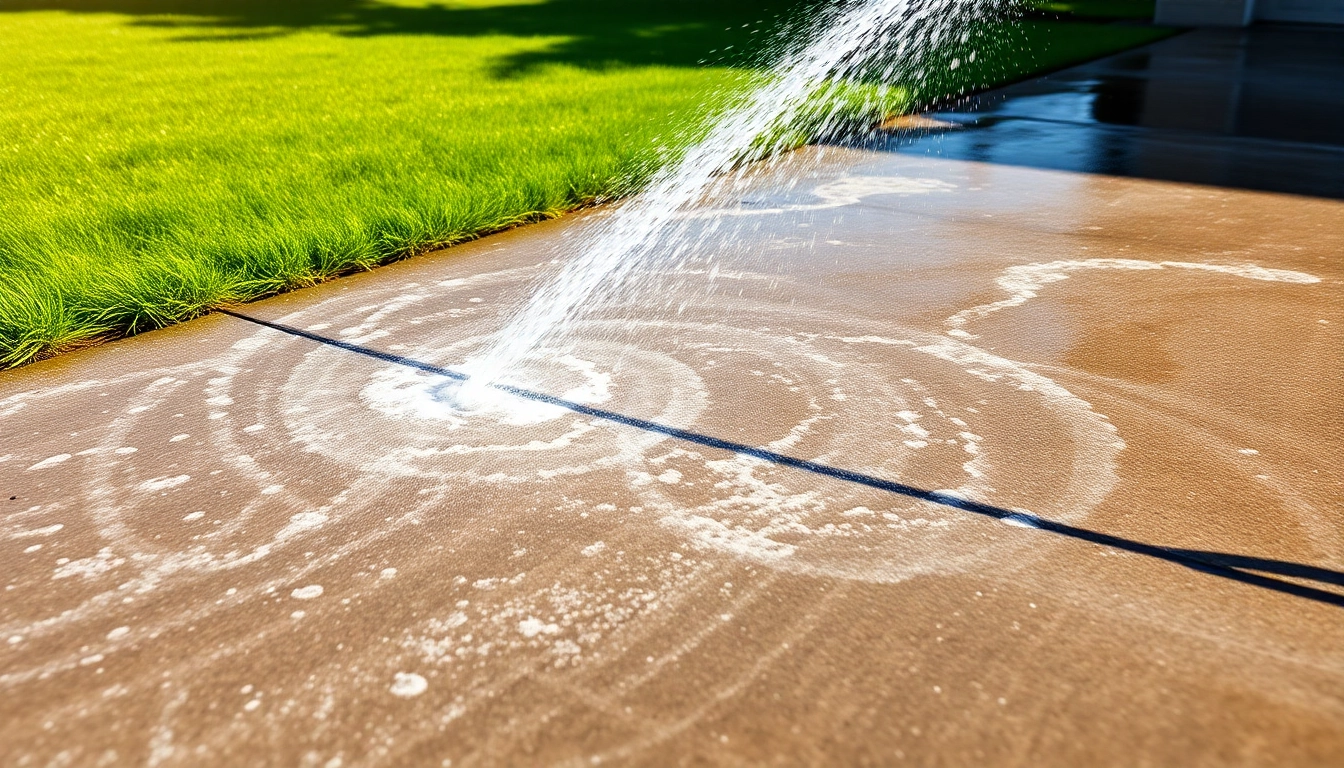
Understanding Driveway Cleaning
What is Driveway Cleaning?
Driveway cleaning refers to the process of removing dirt, stains, and contaminants from your driveway surface, ensuring it looks well-maintained and appealing. This service can involve various techniques, such as pressure washing, power washing, or using specialized cleaning solutions, depending on the type of stains present and the material of the driveway. A clean driveway not only enhances curb appeal but can also prolong the life of the surface by preventing deterioration caused by neglect.
Importance of Regular Driveway Maintenance
Regular driveway maintenance is vital for several reasons. First, it helps maintain the aesthetic value of your property. A clean and well-kept driveway creates a positive first impression for guests and potential homebuyers. Second, routine cleaning helps prevent the build-up of harmful substances like oil, mold, and algae, which can lead to long-term damage if left untreated. By investing in regular maintenance, you can avoid costly repairs and increase the longevity of your driveway.
Common Contaminants on Driveways
Driveways can accumulate various types of contaminants over time. Some of the most common include:
- Oil Stains: These are often caused by leaking vehicles and can be particularly challenging to remove.
- Mold and Mildew: These grow in damp areas and can present health hazards.
- Algae: This is common in humid climates and can make concrete slippery.
- Dirt and Mud: Regular vehicle traffic can lead to dirt buildup.
- Grease: This can be particularly stubborn when it comes from grilling or other outdoor cooking.
Methods for Effective Driveway Cleaning
Pressure Washing vs. Alternative Methods
While pressure washing is the most commonly used method for driveway cleaning, several alternative methods can be effective depending on the situation. For lighter stains, a simple combination of soap and water application may suffice. For tougher stains, specialized chemicals designed for asphalt or concrete surfaces can be used. Overall, the method chosen should be tailored to the specific needs of the driveway and the type of contaminants present.
Choosing the Right Equipment for Driveway Cleaning
The choice of equipment plays a crucial role in successful driveway cleaning. When opting for pressure washing, you'll need a pressure washer with a minimum of 1500 PSI for effective cleaning of concrete and asphalt. For oil stains, a scrubber or rotary cleaner may enhance efficiency. It’s also essential to equip yourself with appropriate safety gear, including gloves and goggles, especially when dealing with chemical cleaners.
Step-by-step Driveway Cleaning Process
- Prepare the Area: Clear the driveway of any debris, including leaves and furniture.
- Pre-treat Stains: Use a suitable cleaner to soak stubborn stains for better removal.
- Pressure Wash: Start from the highest point of the driveway and work towards the drain.
- Repeat as Necessary: For excessive stains, multiple passes with the pressure washer may be needed.
- Rinse and Dry: Thoroughly rinse the driveway to ensure all cleaning agents are washed away.
Cost of Professional Driveway Cleaning
Factors Influencing Driveway Cleaning Costs
Understanding the costs associated with professional driveway cleaning is important for budgeting. Key factors influencing these costs include:
- Size of the Driveway: Larger driveways naturally require more time and resources to clean.
- Type of Material: Cleaning concrete typically costs less than cleaning pavers or gravel.
- Location: Pricing may vary based on geographical location and local market rates.
- Condition of the Driveway: Heavily soiled or stained driveways require more extensive cleaning efforts.
Pricing Trends in the Market
Currently, the average cost for professional driveway cleaning typically ranges from $0.30 to $0.55 per square foot. Factors such as seasonal demand and regional variations can influence these prices. Understanding these trends can help homeowners make informed decisions regarding when to schedule their cleaning services.
Comparing DIY vs. Professional Services
Many homeowners wonder whether to undertake driveway cleaning on their own or hire a professional service. DIY cleaning can often be cost-effective, requiring only basic equipment and supplies. However, professional services bring expertise that can guarantee thorough and long-lasting results, particularly for tough stains or larger driveways. Ultimately, the decision should depend on personal willingness, availability of equipment, and quality expectations.
How to Maintain a Clean Driveway
Regular Maintenance Tips
Maintaining a clean driveway involves regular upkeep. Here are some effective maintenance tips:
- Schedule Routine Cleanings: Plan to clean your driveway at least twice a year.
- Remove Debris Regularly: Keeping leaves and dirt off the surface can prevent mold growth and stains.
- Promptly Address Stains: Treat spills and stains immediately for easier clean-up.
Seasonal Considerations for Driveway Cleaning
Different seasons can affect driveway maintenance needs. For example, in fall and spring, it's crucial to clear debris to prevent mold and mildew growth. In winter, removing snow and ice regularly can prevent damage and reduce slipping hazards. Being proactive with seasonal maintenance is key to preserving the driveway's integrity.
Using Sealants for Longevity
Applying sealants can significantly extend the life of a driveway by protecting it from water, stains, and UV rays. Sealants are generally applied after the driveway has been thoroughly cleaned and dried. Depending on climate and exposure to the elements, resealing should be done every 1-3 years to maintain the driveway's appearance and durability.
FAQs about Driveway Cleaning
What tools do I need for driveway cleaning?
You will need a pressure washer, scrub brushes, brooms, cleaning solutions, and safety gear such as gloves and goggles for effective driveway cleaning.
How often should I clean my driveway?
It is recommended to clean your driveway at least twice a year, or more frequently if you notice stains or debris accumulation.
Can driveway cleaning remove oil stains?
Yes, driveway cleaning can remove oil stains; however, tougher stains may require pre-treating with a specialized cleaner for best results.
Is it better to hire a professional?
Hiring a professional is often advisable for large or heavily stained driveways, as they have the necessary equipment and expertise to achieve optimal results.
What are the best cleaning solutions to use?
For best results, use a degreaser for oil stains, a bleach solution for mold, or a specialized concrete cleaner designed for your driveway’s material.