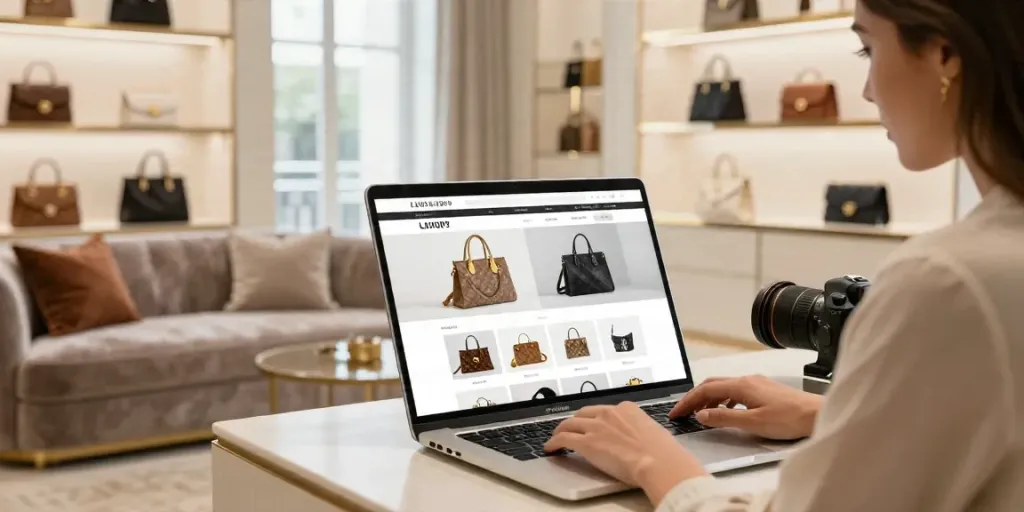
Understanding the Luxury Market Trends of 2026
The luxury market is undergoing significant transformations as we approach 2026, driven by shifting consumer preferences, technological advancements, and sustainability demands. As consumers become more discerning and informed, luxury brands must adapt their strategies to remain relevant and competitive. Understanding these changes is crucial for both consumers and businesses looking to navigate the evolving landscape of luxury products and services. When exploring options, luxury111 provides comprehensive insights into these emerging trends.
Current Landscape of Luxury Products
The luxury market is characterized by a diverse range of products that extend beyond traditional categories such as fashion and jewelry. In 2026, luxury consumers are increasingly gravitating toward experiential offerings, including travel, bespoke services, and exclusive events. This shift signifies a move from materialism to experience-based consumption, where the value lies in unique experiences rather than just ownership of high-end goods.
Key product segments gaining traction include:
- Luxury travel experiences, with bespoke itineraries and personalized services
- High-end wellness products, including luxury skincare and health retreats
- Sustainable luxury goods that emphasize ethical sourcing and production
- Technologically integrated products, such as smart gadgets in luxury vehicles
Consumer Behavior Changes and Preferences
Today's luxury consumer is more informed and connected than ever before. The digital landscape allows consumers to research products extensively, compare prices, and read reviews before making a purchase. Additionally, the rise of social media influencers has transformed marketing dynamics, as consumers now seek authentic endorsements over traditional advertisements.
Key behaviors observed include:
- Increased focus on sustainability and ethical considerations in purchasing decisions
- Preference for personalization, with consumers seeking custom-tailored products and services
- A greater emphasis on brand transparency and accountability
The Impact of Technology on Luxury Shopping
Technology continues to reshape the luxury shopping experience significantly. Augmented reality (AR) and virtual reality (VR) are transforming how consumers interact with brands, allowing them to visualize products in their own environment before purchasing. Additionally, artificial intelligence (AI) is enhancing customer service through chatbots and personalized recommendations.
Another critical aspect is the rise of e-commerce platforms dedicated to luxury goods. These platforms provide a seamless shopping experience that appeals to tech-savvy consumers, offering convenience and access to global markets.
Common Pitfalls in Luxury Online Shopping
While online luxury shopping offers convenience, it also presents challenges that consumers must navigate to make informed purchases. Understanding these pitfalls can help buyers avoid costly mistakes and ensure a satisfying shopping experience.
Identifying Authenticity: What to Look For
One of the primary concerns when shopping for luxury items online is authenticity. Counterfeit products are prevalent in the market, and discerning genuine items requires a keen eye. Consumers should look for:
- Verified sellers with positive reviews and a history of reliable service
- Authentic brand tags, packaging, and receipts that accompany high-end products
- Clear return and authenticity guarantees from retailers
Avoiding Scams and Fake Products
Scams can take many forms, from fake websites pretending to sell luxury goods to phishing attempts targeting unsuspecting consumers. To protect themselves, shoppers should:
- Research the website's legitimacy before making a purchase
- Use secure payment methods that offer buyer protection
- Be wary of deals that seem too good to be true
Understanding Return Policies and Customer Service
Another critical aspect of luxury online shopping is understanding return policies and customer service options. High-end retailers should offer comprehensive return policies that allow consumers to return or exchange items easily. Additionally, responsive customer service is essential for addressing concerns or issues that may arise during the shopping process.
Best Practices for a Smooth Luxury Shopping Experience
To enhance the luxury shopping experience, consumers should adopt several best practices that facilitate informed and satisfying purchases. These strategies can help navigate the complexities of the luxury market effectively.
How to Choose Reputable Luxury Websites
Selecting the right platform is crucial for ensuring a positive shopping experience. Consumers should prioritize websites that:
- Are affiliated with well-known luxury brands
- Have robust customer service support
- Employ secure checkout methods and encryption for data protection
Utilizing Online Reviews and Ratings
Online reviews and ratings play a significant role in informing consumer decisions. Sites that aggregate user feedback provide valuable insights into product quality and seller reliability. Shoppers are encouraged to check multiple sources for a balanced view.
Tips for Secure Payment Methods
Security is paramount when shopping online. Using credit cards with fraud protection, opting for secure payment gateways, or utilizing payment services like PayPal can protect against unauthorized transactions. Additionally, avoiding public Wi-Fi networks when completing purchases can mitigate the risk of data breaches.
Case Studies: Successful Luxury Brands in 2026
Examining successful luxury brands provides valuable insights into effective strategies that resonate with modern consumers. These case studies highlight innovative marketing tactics and consumer engagement approaches.
Innovative Marketing Strategies by Top Brands
Leading luxury brands are leveraging technology and creative storytelling to captivate audiences. For example, many brands utilize social media platforms not just for advertising but for community building and fostering brand loyalty. Interactive campaigns that encourage user-generated content allow consumers to feel more connected to the brand.
Case Study: A New Luxury Brand's Journey
Consider the rise of a new luxury brand that emphasizes sustainability. By prioritizing eco-friendly materials and transparent sourcing practices, this brand successfully appeals to younger audiences seeking modern values. Their marketing campaign focused on storytelling, showcasing the artisans behind the products and the positive impact of every purchase on the environment.
Lessons Learned from Industry Leaders
Established luxury brands demonstrate the importance of adaptability. As consumer preferences continue to evolve, these brands swiftly pivot their strategies to align with shifting values, whether that be through enhanced online shopping experiences or incorporating sustainability into their core business practices.
Future Predictions: The Evolution of Luxury Shopping
As we look to the future, several trends are likely to shape the luxury shopping landscape in 2026 and beyond. Understanding these predictions will be essential for both consumers and brands aiming to stay ahead in a competitive market.
Emerging Technologies Shaping the Future
Technological advancements will play a critical role in the evolution of luxury shopping. We can expect to see:
- Enhanced AR and VR experiences that allow shoppers to try products virtually
- AI-driven personalization that tailors recommendations to individual preferences
- Blockchain technology to verify authenticity and enhance trust in luxury purchases
Sustainability Trends in the Luxury Sector
Sustainability is no longer merely a trend but rather a fundamental expectation among luxury consumers. Brands that prioritize sustainable practices, from ethical sourcing to supporting local artisans, will likely gain a competitive edge.
Consumer Expectations for Luxury Brands in 2026
Today’s luxury consumers demand more than just exquisite products; they seek brands that embody values such as transparency, sustainability, and social responsibility. In 2026, brands that clearly communicate their values and engage with consumers on shared ideals will thrive.
What Should You Expect from luxury111?
As a comprehensive platform, luxury111 stands to become a prominent player in the luxury market, offering curated selections that emphasize quality and authenticity. Consumers can expect a user-friendly interface, personalized services, and a commitment to ethical practices, setting standards for the luxury shopping experience.
How to Stay Ahead of Trends?
For both consumers and brands, staying ahead of trends involves continuous research and engagement with emerging technologies. Being active on social media, participating in luxury events, and subscribing to industry publications can provide invaluable insights into the future of luxury shopping.
Which Brands Are Leading the Change?
Brands that are successfully leading the change include those that embrace digital transformation while focusing on sustainability and experiential offerings. By observing these market leaders, emerging brands can glean valuable lessons about adapting to the evolving demands of luxury consumers.