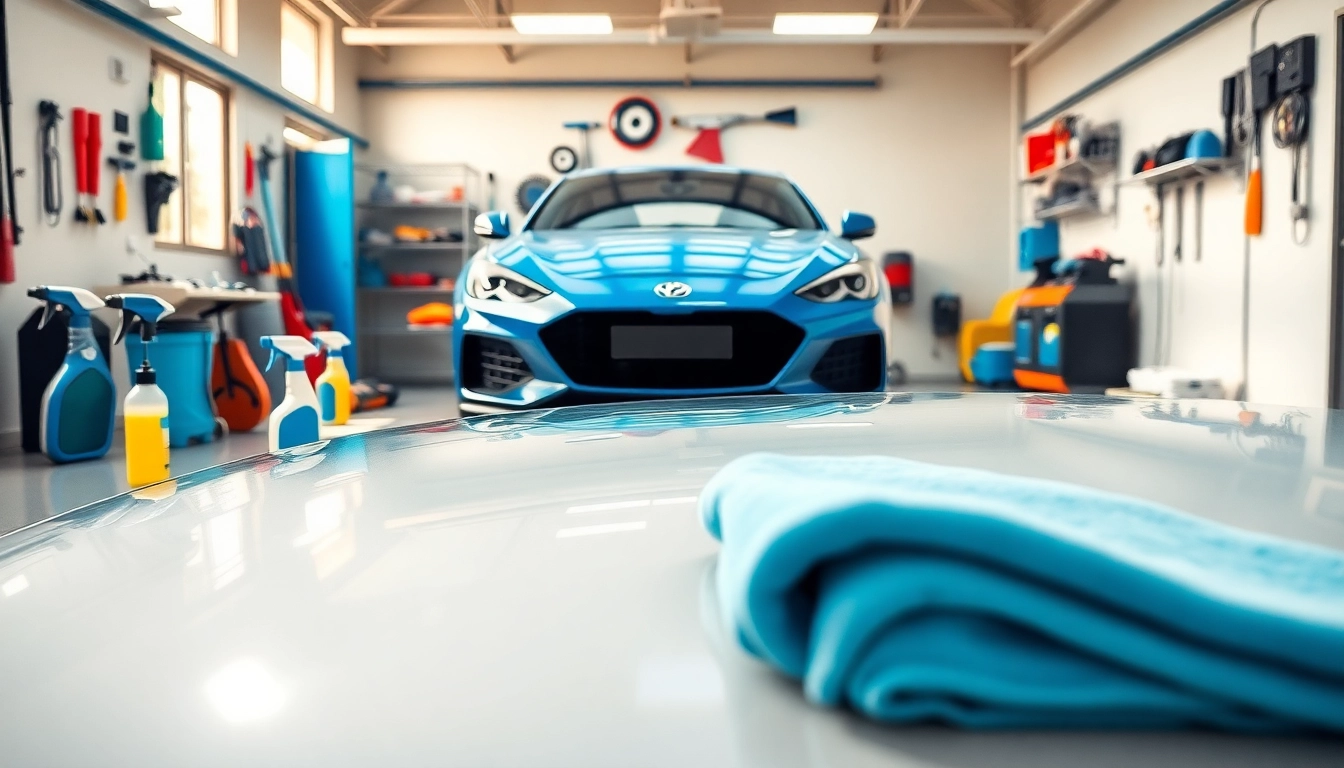
Introduction to Car Detailing for Beginners
Car detailing is more than just a simple wash; it’s a meticulous way to keep your vehicle looking its best. For beginners, starting a simple car detailing routine for beginners can be both exciting and daunting. Understanding the fundamentals of detailing is essential. This comprehensive guide will walk you through everything you need to know to embark on your car detailing journey.
Understanding Car Detailing
At its core, car detailing involves a thorough cleaning of both the interior and exterior of a vehicle. Unlike a regular car wash, detailing encompasses a variety of cleaning, restoration, and finishing processes to achieve a high level of aesthetic perfection. This can include waxing, polishing, vacuuming, and conditioning surfaces, ensuring your car not only looks great but is also maintained to last longer.
Why Detailing Matters
Detailing is important for several reasons. Firstly, it helps maintain the car's value over time. A well-maintained vehicle is likely to command a higher resale price. Additionally, detailing contributes to the overall safety of your vehicle; dirt and grime on mirrors and windows can reduce visibility. Lastly, a clean car enhances your driving experience, promoting pride in ownership and personal satisfaction.
Basic Tools for Your Simple Car Detailing Routine for Beginners
To establish an effective detailing routine, you’ll need some essential tools and supplies. Here’s a basic list:
- Microfiber towels
- Car wash soap (pH-balanced)
- Buckets (two-bucket method recommended)
- Wheel brush
- Vacuum cleaner with attachments
- Interior cleaner
- Glass cleaner
- Wax or sealant
Each of these tools plays a critical role in achieving a thorough clean while protecting the surfaces of your car.
Preparing Your Vehicle for Detailing
Gathering Your Supplies
Before starting any detailing job, gather all the necessary supplies. Having everything ready will streamline your process and prevent interruptions. Store items in a caddy or container for quick access to your tools.
Choosing the Right Environment
Pick a suitable space for detailing. Ideally, you want a shaded area or an indoor garage. Direct sunlight can cause waxes and cleaners to dry too quickly, leaving streaks and reducing effectiveness.
Initial Inspection of Your Car's Condition
Before diving into the detailing process, take a moment to inspect your vehicle. Look for any scratches, dents, or areas needing special attention. This inspection will help you prioritize your tasks and ensure you address any underlying issues during the detailing process.
Step-by-Step Process of Car Exterior Detailing
Washing the Car: Techniques and Tips
The foundation of any detailing job is a thorough wash, beginning with the two-bucket method. Fill one bucket with soapy water and the other with clean water. Start by rinsing the car using a hose and remove loose debris. Then, using a microfiber wash mitt, soak it in the soapy water and wash from the top down, rinsing the mitt in the clean water after each section.
Cleaning Wheels and Tires Effectively
Wheels and tires are often the dirtiest parts of a vehicle. Use a dedicated wheel cleaner and a wheel brush to scrub both the wheel and tire walls. This step is crucial as road grime can damage both the wheels and paintwork if left untreated. Ensure to rinse thoroughly after scrubbing.
Drying and Inspecting the Exterior
After washing, dry your vehicle using microfiber towels to prevent water spots. Dry in sections to maintain control and check for any missed areas that may need extra attention, such as dirt-filled nooks or scratches that may need polishing.
Focusing on Interior Car Detailing
Removing Debris and Vacuuming
Start with the interior by removing trash and personal items. Vacuum all areas, including seats, carpets, and hard-to-reach places like under the seats and between cushions. High-traffic areas like footwells often collect dust and debris, so focus on these spots for a thorough cleaning.
Cleaning Surfaces: Dashboards to Floor Mats
Once vacuumed, clean surfaces using appropriate cleaners for each material. Use an interior cleaner for plastic and vinyl and a leather cleaner for leather surfaces. Pay close attention to dashboards, door panels, and any consoles, removing fingerprints and smudges effectively.
Finishing Touches: Protectants and Deodorizers
After cleaning, apply protectants to surfaces to help rejuvenate and protect against UV damage. Additionally, a good-quality deodorizer can enhance the air quality within your vehicle, providing a fresh, clean scent.
Maintaining Your Car Post-Detailing
Regular Maintenance Routines
To keep your vehicle in top condition, establish a routine maintenance schedule. This could involve regular washes every two weeks and detailing sessions every few months. Routine care prevents dirt buildup and keeps your car looking its best.
Creating a Detailing Schedule
Implement a detailing schedule that fits within your lifestyle. Daily, weekly, or monthly check-ins can help manage the upkeep of your vehicle. Use a calendar marker or app to remind you of these essential tasks.
Tips for New Detailers Going Forward
As a beginner in detailing, focus on mastering the basics. Over time, you can add more advanced techniques like paint correction or ceramic coating. Don't hesitate to seek out resources like online videos or forums to learn from experienced detailers and elevate your skills.
FAQs About Simple Car Detailing for Beginners
What supplies do I need for basic car detailing?
You’ll need microfiber towels, car wash soap, buckets, a wheel brush, vacuum cleaner, interior cleaner, glass cleaner, and wax or sealant.
How often should I detail my car?
It's recommended to detail your car every 4 to 6 months, while a thorough wash can be done every two weeks to maintain cleanliness.
Can I detail my car without professional help?
Yes, beginners can successfully detail their cars with the right tools, knowledge, and patience. Follow a step-by-step guide for best results.
What’s the difference between washing and detailing?
Washing focuses on cleaning the exterior and removing dirt, while detailing involves cleaning interior surfaces, restoring, and protecting vehicle surfaces.
Is detailing worth the investment?
Absolutely! Regular detailing preserves your car's exterior and interior, maintains its value, and enhances your driving experience for years to come.