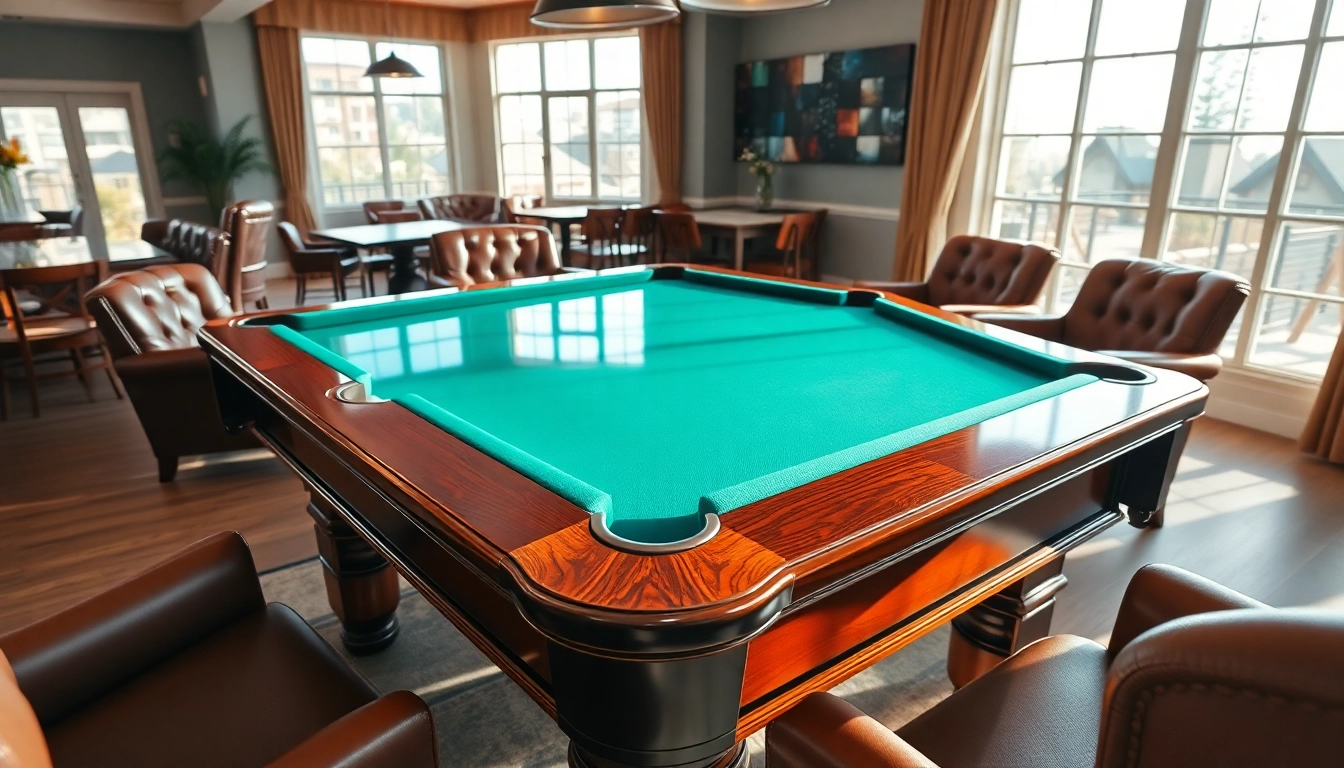
Deciding Factors When You Buy Pool Tables
When considering the purchase of a pool table for your game room, several key factors come into play. From understanding different sizes to selecting the right materials and accessories, making an informed decision can greatly enhance your playing experience. Whether you are an avid player or simply looking to enhance your home entertainment space, this guide will help you navigate the process efficiently. For those interested, you can Buy Pool Tables that fit your needs and preferences.
Understanding Different Pool Table Sizes
One of the first considerations when buying a pool table is size. There are several standard sizes available, each suited to different playing styles and spaces:
- 7-Foot Tables: Commonly referred to as "bar" size, these tables are a popular choice for smaller game rooms and recreational areas. They generally measure 7 feet in length and 3.5 feet in width, making them ideal for casual play.
- 8-Foot Tables: Often regarded as the standard for home tables, 8-foot tables are considered a good balance between serious playability and space. Their dimensions allow for a variety of games while still fitting comfortably in most rooms.
- 9-Foot Tables: This size is typically used in professional tournaments and offers the best playing experience for serious players. However, a 9-foot table requires a significant amount of space around it for cueing comfortably.
When selecting a size, it’s essential to consider the available space in your room—allowing at least 5 feet of clearance around the table is generally recommended.
Material Choices for Pool Tables
The materials used in the construction of a pool table can significantly influence both its durability and playability:
- Slate: Considered the gold standard, slate bed tables provide a smooth, level playing surface. Slate is heavy and typically comes in 3-piece sections, which can make transportation and installation more complex but ensures a high-quality gaming experience.
- Plywood: Often used in lower-end tables, plywood can be a cost-effective choice. While it doesn’t offer the same level of playability as slate, it can be sufficient for casual players and those on a budget.
- Frame Materials: Look for solid wood or metal frames that ensure stability and durability over time. Cheaper models may use particleboard, which can warp or break under pressure.
Ultimately, the choice of material should reflect your budget, intended use, and personal preferences.
Finishing Touches and Accessories
A pool table doesn’t stand alone; various accessories can enhance your overall experience:
- Cues: Invest in quality cues that feel good in your hands and suit your playing style. Having a few different weights and lengths can allow for versatility.
- Pool Balls: Standardize on a quality set of balls that fit your playing preferences. Look for sets that are highly rated for durability and appearance.
- Table Cover: Protecting your investment when not in use is crucial. A table cover prevents dust accumulation and potential damage.
- Lighting: Proper lighting can enhance your playing experience. Consider installing overhead lights that illuminate the table adequately while minimizing shadows.
Finding Quality and Price: Where to Buy Pool Tables
Knowing where to buy your pool table is nearly as important as selecting the right model. Different retailers offer varying degrees of quality, pricing, and services.
Retailers for Affordable Pool Tables
When looking for affordable options, several types of retailers can be considered:
- Department Stores: Many large retailers feature budget-friendly options suitable for casual players. However, quality can vary significantly.
- Specialty Game Stores: These shops may offer a wider range of high-quality tables and more knowledgeable staff to assist you.
- Online Marketplaces: Websites often provide competitive pricing and a broad selection. Be sure to read reviews and check return policies before purchasing.
- Second-Hand Options: Exploring local classifieds or online platforms can yield great deals on used tables, but ensure to inspect them thoroughly for quality.
Online vs. Local Purchases
Each purchasing avenue has its distinct advantages and disadvantages:
- Online Purchases: Convenience and often better pricing are significant perks when buying online. However, buyers cannot physically inspect the product until it arrives.
- Local Purchases: Buying locally allows for firsthand inspection, and you can often negotiate prices directly with the seller. However, the inventory may be limited, and prices can vary based on local demand.
Evaluating Warranties and Services
Before making a purchase, consider the implications of warranties and services offered:
- Warranty Terms: Inspect the warranty, ensuring it covers fundamental aspects such as the playing surface, frame, and craftsmanship. Longer warranties typically indicate higher confidence in product quality.
- Customer Service: Look for retailers that offer adequate customer support and installation services. Responsive assistance can greatly enhance the overall purchasing experience.
Best Practices for Pool Table Maintenance
Maintaining your pool table ensures it remains in top condition for years to come. Regular care and attention can prevent wear and tear and preserve the table’s playing quality.
Caring for the Table Surface
Maintenance starts with cleaning the playing surface. Here are some effective practices:
- Regular Dusting: Use a soft, dry cloth to wipe down the surface and remove dust or chalk residue after each use.
- Cleansing Products: Use specific cleaners that are safe for your table’s surface and follow manufacturer instructions. Avoid harsh chemicals that can damage the finish.
- Routine Leveling: Over time, tables can shift or settle. Regularly check the level and make adjustments as needed.
Cleaning and Maintaining Accessories
Accessories are an integral part of your gameplay, and their upkeep should not be overlooked:
- Cue Care: Store cues upright and clean them regularly to prevent warping and ensure smooth strokes.
- Ball Maintenance: Occasionally clean pool balls with a soft cloth to maintain their shine and visibility during play.
- Table Covers: Use covers not just for storage but also to protect against spills and accidents during games.
Inspecting and Repairing Common Issues
Regular inspections can help catch problems early:
- Bridge and Pockets: Check pockets for fraying or wear, as replacements may be necessary.
- Slate Damage: If you notice dents or cracks in the slate, contact a professional for assessment and repair.
- Leg Stability: Periodically inspect the legs and frame for stability and wear. Tightening screws and bolts can enhance durability.
Enhancing Your Game Room with Pool Tables
Integrating a pool table into your game room can transform the space into a vibrant entertainment area. Here are ways to enhance the overall atmosphere:
Choosing the Right Room for Your Pool Table
The room you choose plays a significant role in the overall enjoyment of the table:
- Space Considerations: Ensure enough space for play and movement. Ideally, choose a room that allows for at least 5 feet of clearance around the table.
- Accessibility: Consider how guests will access the table. A well-laid-out room encourages social interaction and play.
Decor Ideas to Complement Pool Tables
The overall decor of the room can further enhance your gaming experience:
- Color Scheme: Choose colors that evoke a sense of fun and relaxation. Consider wall art or accessories that accentuate the theme of the game room.
- Furniture Arrangement: Arrange seating to encourage socialization while providing comfortable views of the game.
Incorporating Lighting for Best Play Experience
Proper lighting is critical in creating an inviting atmosphere and improving visibility:
- Direct Lighting: Install fixtures that provide direct light over the table to minimize shadows and enhance playability.
- Ambient Lighting: Soft, ambient lighting can create an inviting vibe for social gatherings without being harsh on the eyes during play.
FAQs About Buying Pool Tables
What size pool table is best for my home?
Most homeowners prefer the 8-foot table for better playability, depending on room size.
Are used pool tables a good investment?
Yes, used pool tables can be a great way to save money, but ensure they are in good condition.
How do I measure for a pool table?
Measure the usable space, allowing at least 5 feet of clearance around the table for cues.
What accessories do I need when I buy a pool table?
Essential accessories include cues, balls, a triangle rack, and a table cover for upkeep.
Can I assemble a pool table myself?
While DIY assembly is possible, professional installation ensures optimal setup and performance.