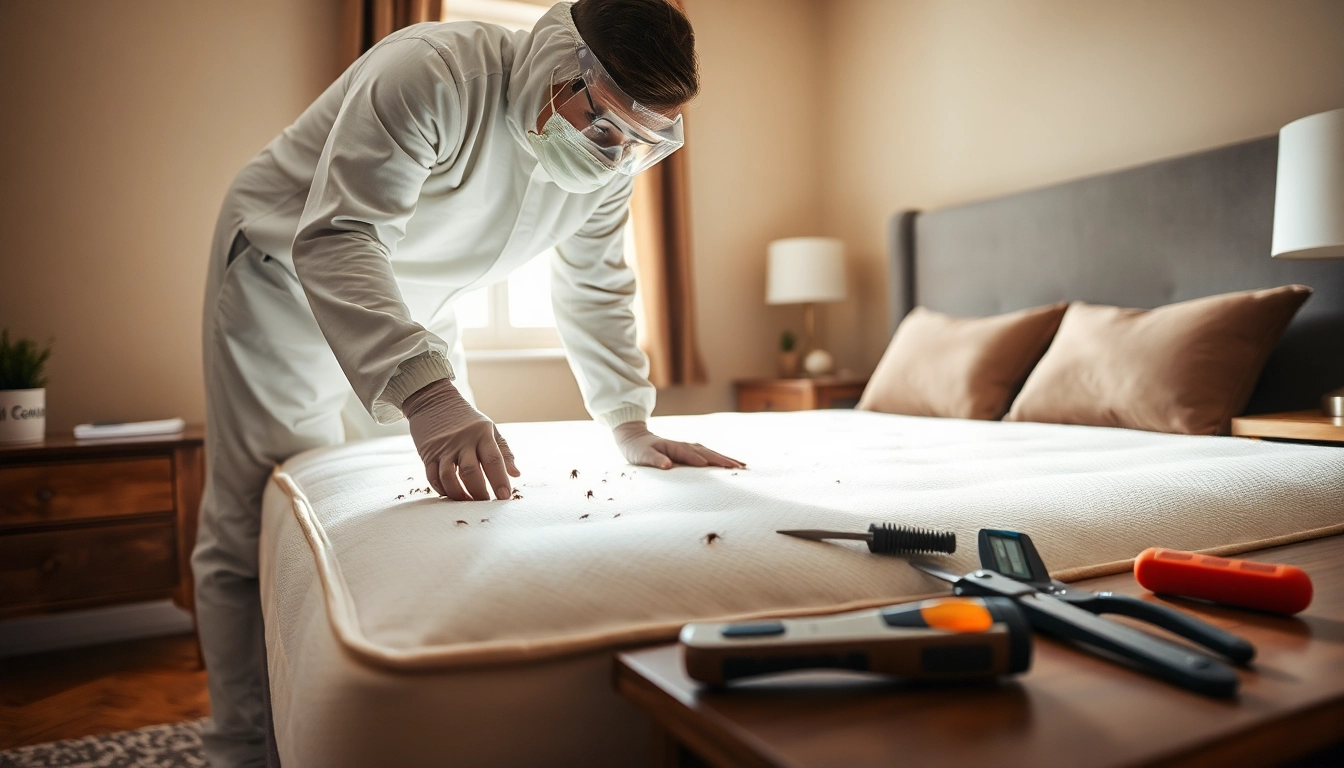
Understanding Bed Bugs and Their Habits
What Are Bed Bugs?
Bed bugs are small, wingless insects belonging to the family Cimicidae, specifically Cimex lectularius. They are notorious for being blood-feeding pests that primarily feed on humans and other warm-blooded animals. Adult bed bugs are about the size of an apple seed, can be reddish-brown, and have a flat, oval shape, which allows them to hide easily in various areas of human habitation. They are most active at night, emerging to feed while their hosts sleep.
Common Signs of Infestation
Identifying a bed bug infestation early is crucial for effective management. Common signs include:
- Itchy, red bites: Often in clusters or rows on exposed skin.
- Dark spots: These are excrement stains left behind on sheets and bedding.
- Physical sightings: Spotting live bed bugs in the seams of mattresses, box springs, or bed frames.
- Eggs and casings: Tiny, white eggs or shed skins in hiding spots.
How Bed Bugs Spread
Bed bugs are adept travelers, often hitching rides on clothing, luggage, and used furniture. They spread predominantly in multi-unit dwellings, hotels, and dormitories where proximity allows for easy movement from one area to another. Understanding how they spread can help individuals take preventive measures.
Methods of Bed Bug Removal
Heat Treatments and Their Effectiveness
Heat treatment is one of the most effective methods for eliminating bed bugs as it targets them at all life stages, including eggs. This method involves raising the temperature in the infested areas to around 120°F (49°C) for several hours. The effectiveness of heat treatment lies in its ability to penetrate furniture and walls. However, precautions must be taken to protect heat-sensitive items, and a professional is often necessary to ensure thoroughness.
Chemical Solutions for Bed Bug Removal
Chemical treatments can be an effective approach to bed bug removal, though they often involve applying various pesticides. It is essential to use products specifically labeled for bed bug treatment. They can be effective against adult bed bugs and nymphs but might require multiple applications. Safety precautions must be adhered to, particularly when pets and children are present.
DIY Bed Bug Removal Techniques
For those looking for cost-effective solutions, several DIY methods can assist in bed bug removal:
- Vacuuming: Regular vacuuming of mattresses, furniture, and floors to remove bugs and eggs.
- Steam cleaning: Using a steam cleaner on fabrics and surfaces to kill bugs with high heat.
- Homemade sprays: Solutions made from vinegar or alcohol can deter bed bugs, but these methods are often less effective than professional approaches.
Preparing Your Home for Bed Bug Treatment
Cleaning and Decluttering Strategies
Preparation is essential for successful bed bug eradication. Begin by decluttering, as it reduces hiding spots. Wash all bedding, clothing, and fabrics in hot water, then dry on high heat. This not only eliminates bed bugs but also makes the treatment process easier for pest control professionals.
Pre-Treatment Checklist
Before treatment, ensure you are well-prepared with the following checklist:
- Remove items from floors and surfaces, including picture frames and books.
- Seal all personal items in plastic bags to prevent moving bugs.
- Inform any pest control professionals of previous treatments and observed effects.
Safety Precautions During Treatment
During any form of bed bug treatment, safety is paramount. Ensure pets and children are kept away from treated areas until it is safe to return. Follow all instructions provided by your pest control professional, particularly those regarding the use of chemical solutions.
Post-Treatment Steps for Bed Bug Prevention
Monitoring for Re-infestation
After treatment, it's vital to remain vigilant. Regularly check for signs of bed bugs returning by inspecting mattresses, bedding, and upholstered furniture. Use monitors or traps to enhance detection efforts.
Long-Term Prevention Techniques
To prevent future infestations, consider these strategies:
- Protective mattress covers: Use encasements to prevent bugs from infesting mattresses.
- Regular inspections: Frequently check areas that may harbor bed bugs, especially after travel.
- Educate yourself: Understanding bed bug behavior can help you spot potential issues early.
When to Consult a Professional
If signs of bed bugs persist despite your efforts, it may be time to consult a professional. Complex infestations can be challenging to eliminate independently, and experts can provide treatment plans tailored to your home's specific needs.
Frequently Asked Questions About Bed Bug Removal
How quickly can bed bugs be removed?
Bed bug removal can take a few days to several weeks, depending on the extent of the infestation and the methods employed.
Are homemade remedies effective for bed bug removal?
While homemade remedies may help deter bed bugs, they are often less effective than professional services and should not be relied upon for complete eradication.
What if bed bugs return after treatment?
If bed bugs return, it may indicate that not all of them were eliminated initially. A follow-up treatment from a pest control expert may be necessary.
How do I know if the treatment worked?
Monitoring for new bites, inspecting for live bugs, and checking for eggs or fecal matter can help determine if the treatment was successful.
What are the costs associated with bed bug removal?
The cost of bed bug removal can vary widely based on the severity of the infestation, type of treatments used, and the area being treated. An assessment by a pest control professional can provide a clearer picture of expected costs.
Ultimately, staying informed and vigilant is essential in managing bed bug infestations. The journey to effective bed bug removal begins with understanding and proactive measures.